
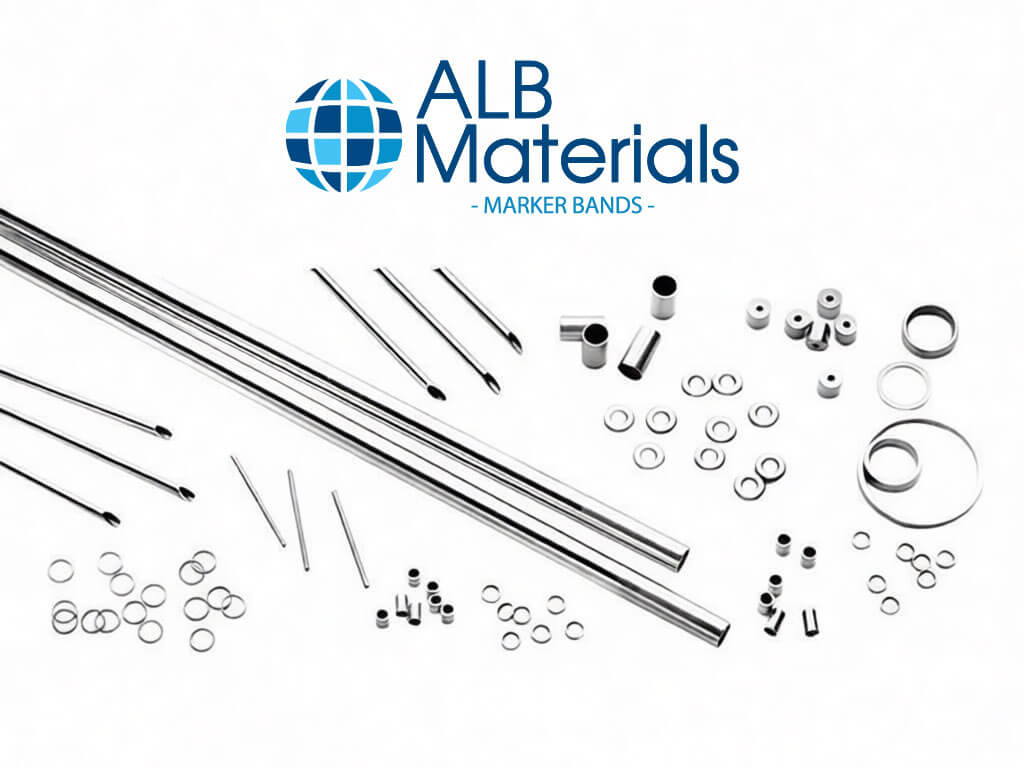

At first glance, they’re easy to overlook—tiny rings, strips, or tags no larger than a grain of rice. But don’t let their size fool you. Marker bands are precision-engineered components that play a vital role across some of the most demanding industries in the world—from life-saving medical devices to high-performance automobiles and advanced electronics.
These small yet powerful tools provide critical visual, radiographic, or electronic reference points that enable accuracy, safety, and efficiency. In this article, we’ll explore what marker bands are made of, how they work, and why industries from healthcare to aerospace rely on them every day.
What Are Marker Bands—and Why Do They Matter?
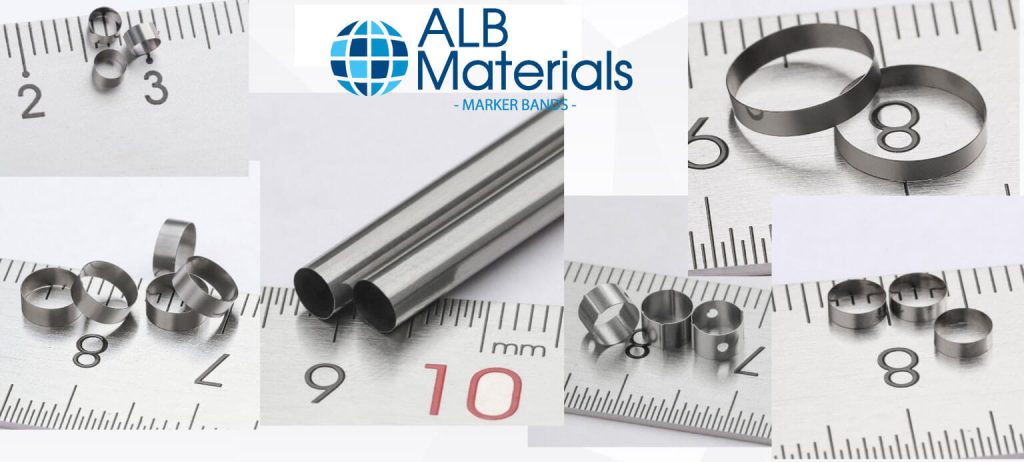
Marker bands are small identifiers—typically made from metal or specialized polymers—designed to be easily detected by imaging systems, sensors, or the human eye. Their primary job? To mark a precise location on a device or component so it can be tracked, aligned, or monitored with confidence.
Think of them as “GPS beacons” at a microscopic scale. Whether it’s guiding a catheter through a blood vessel during heart surgery or ensuring robotic arms place microchips perfectly on a circuit board, marker bands make complex processes possible—and reliable.
Engineered for Performance: Common Materials and Properties
Not all marker bands are created equal. The choice of material depends entirely on the environment and function. Here’s a look at the most widely used options:
| Material | Key Strengths | Typical Use Cases |
|---|---|---|
| Platinum | Highly visible under X-ray; biocompatible | Medical devices (e.g., stents, guidewires) |
| Tantalum | Corrosion-resistant; stable under extreme heat | Long-term implants, surgical tools |
| Gold | Excellent conductivity; inert | Short-term diagnostics, electronics |
| Iridium Alloys | Stronger than pure platinum; retains radiopacity | High-stress medical applications |
| Boron Steel | Ultra-high strength; lightweight | Automotive safety structures |
For example, platinum is the gold standard (literally) in cardiology because it shows up clearly on fluoroscopy screens—helping doctors navigate delicate procedures in real time. Meanwhile, boron steel marker bands help automotive engineers verify alignment in crash-resistant car frames during high-speed assembly.
Saving Lives: Marker Bands in Healthcare
In medicine, precision isn’t just important—it’s life-or-death. That’s why radiopaque marker bands are embedded in devices like:
- Guidewires and catheters: Allow real-time tracking during minimally invasive surgeries.
- Stents: Help confirm correct placement inside arteries.
- Biopsy markers: Tiny clips (like the FDA-cleared Gel Mark® Ultra) leave a permanent, detectable trace at biopsy sites for future monitoring.
These components must meet strict standards for biocompatibility (ISO 10993) and visibility (ASTM F2941). Even a fraction of a millimeter off could mean the difference between success and complication—which is why material purity and manufacturing precision are non-negotiable.
Powering the Digital Age: Electronics & PCB Manufacturing
On the factory floor, marker bands take a different form—but serve a similar purpose. In printed circuit board (PCB) production, fiducial markers (small copper or nickel dots) act as alignment guides for automated pick-and-place machines.
Without these reference points:
- Microchips could be misaligned.
- Solder joints might fail.
- Entire batches of smartphones or laptops could be scrapped.
These markers may not glow under X-ray, but to a vision-guided robot, they’re as essential as street signs are to a delivery driver. And as devices get smaller and faster—especially with 5G and IoT—the demand for micron-level accuracy only grows.
Built Tough: Industrial & Automotive Applications
In heavy industry, marker bands must survive extreme conditions: high heat, vibration, chemicals, and decades of wear. That’s where rugged solutions come in:
- Laser-etched metal tags on aircraft parts remain legible after years of exposure to jet fuel and temperature swings.
- RFID-enabled marker bands on engine blocks allow manufacturers to track components through every stage of assembly—even when covered in grease or paint.
- High-strength boron steel markers help validate structural integrity in electric vehicle battery enclosures and door beams.
One key innovation? Anti-metal RFID tags with special shielding layers that prevent signal interference—proving you can put a smart tag on a metal surface and still read it reliably from 10 feet away.
Looking Ahead: The Future of Marker Technology
Marker bands aren’t standing still. Emerging trends include:
- Biodegradable markers: Made from magnesium alloys, these could dissolve safely after short-term medical use—eliminating the need for removal surgeries.
- Smart markers with embedded sensors: Imagine a marker band that doesn’t just show where a pipe is—but also reports its internal pressure or temperature in real time.
- AI-integrated tracking: Paired with machine learning, marker data could predict maintenance needs or flag quality issues before they cause failures.
As industries push toward greater automation, miniaturization, and sustainability, the humble marker band will only become more intelligent—and more indispensable.
Final Thought: Small Components, Massive Impact
Marker bands may be tiny, but their influence is enormous. They bridge the gap between human intention and machine execution—ensuring that whether a surgeon is opening a blocked artery or a robot is assembling a satellite, everything happens exactly where it should, exactly when it should.
In a world that demands ever-greater precision, reliability, and traceability, these unassuming components prove that sometimes, the smallest details make the biggest difference.
Looking to integrate marker bands into your next medical device, automotive system, or industrial product? Understanding material science, regulatory requirements, and detection compatibility is key—partner with experts who speak both engineering and application.