
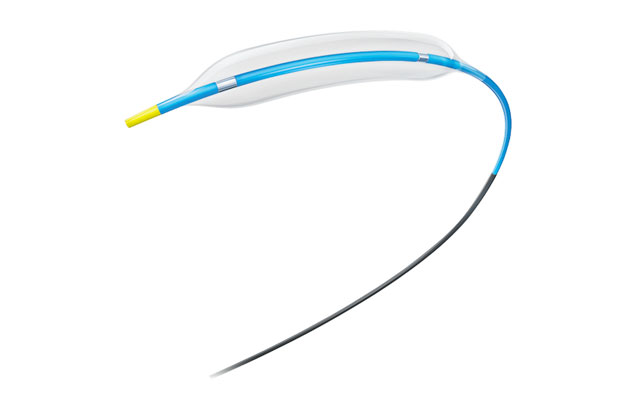
Radiopaque Marker Bands for Positioning of Implants and Delivery Systems
In the field of medical device implantation, the accurate positioning of implants and delivery systems is crucial for the success of surgical procedures and the long-term outcomes for patients. Radiopaque marker bands have become an essential component in ensuring that these devices are placed precisely where they are needed, enhancing both procedural accuracy and patient safety. These marker bands provide clear and visible reference points under imaging, allowing healthcare professionals to achieve optimal placement with minimal complications.
The Importance of Accurate Positioning
Implantable medical devices, such as pacemakers, defibrillators, orthopedic implants, and vascular grafts, require precise positioning to function effectively and minimize the risk of complications. Accurate placement ensures that the device operates correctly, reduces the likelihood of dislodgement or migration, and enhances overall patient outcomes. Radiopaque marker bands play a critical role in this process by providing real-time visual feedback during the implantation procedure.
During implantation, radiopaque markers help healthcare providers visualize the position and orientation of the device under fluoroscopy or other imaging modalities. This real-time visualization allows for precise adjustments, ensuring that the implant is placed exactly where it is needed. This level of precision is particularly important in complex procedures, such as those involving the heart, brain, or spine, where even minor misplacements can have significant consequences.
Design and Material Considerations
The design and material selection for radiopaque marker bands are crucial factors that influence their effectiveness in implant positioning. Marker bands are typically made from materials with high radiopacity, such as platinum, gold, or tantalum, which are also biocompatible and durable. These materials ensure that the markers remain visible under imaging without causing adverse reactions within the body.
The size and placement of the marker bands are carefully engineered to provide optimal visibility without compromising the functionality of the implant or delivery system. For instance, marker bands may be placed at strategic locations on the device, such as the proximal and distal ends, providing clear reference points for accurate positioning. The thickness and composition of the marker bands can also be adjusted to achieve the desired level of radiopacity, ensuring that they are visible under various imaging conditions.
Applications in Implant Positioning
Radiopaque marker bands are used in a wide range of implantation procedures, including cardiovascular, orthopedic, and neurosurgical interventions. In cardiovascular procedures, such as pacemaker or defibrillator implantation, radiopaque markers help in accurately positioning the device within the heart or chest cavity. This precise placement ensures optimal device function and reduces the risk of complications such as lead dislodgement or improper pacing.
In orthopedic procedures, such as joint replacement or spinal fusion, radiopaque marker bands assist in guiding the implant to the exact location, ensuring proper alignment and fit. This precise positioning is essential for achieving long-term stability and function of the implant, reducing the risk of loosening or malposition.
In neurosurgical procedures, such as the placement of intracranial shunts or deep brain stimulators, radiopaque marker bands play a crucial role in navigating the implant through complex anatomical structures. The high precision achieved with these markers helps in minimizing the risk of complications and improving procedural outcomes.
Conclusion
Radiopaque marker bands are essential tools in the accurate positioning of implants and delivery systems, providing healthcare professionals with the visual cues necessary to achieve optimal placement. Their high radiopacity, biocompatibility, and durability make them ideal for use in a variety of medical procedures. As medical technology continues to advance, the role of radiopaque marker bands in implant positioning will remain crucial, ensuring that these procedures are performed with the highest level of precision and safety, ultimately benefiting patients and healthcare providers alike.