
Radiopaque Marker Bands for Guidewire Tracking and Steering
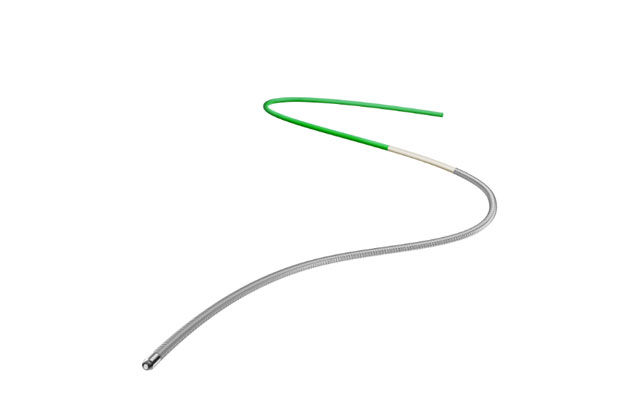
In the intricate world of minimally invasive medical procedures, the ability to precisely track and steer guidewires is fundamental to achieving successful outcomes. Radiopaque marker bands have become a cornerstone technology in this domain, providing essential visual cues that enhance the accuracy and safety of guidewire navigation. These marker bands, which are highly visible under imaging modalities such as fluoroscopy, enable healthcare professionals to effectively guide and position guidewires within the body, facilitating a wide range of diagnostic and therapeutic interventions.
The Critical Role of Guidewire Navigation
Guidewires are slender, flexible tools that are used to navigate through the body’s complex vascular and luminal systems, providing a pathway for the insertion of catheters, stents, and other medical devices. Accurate tracking and steering of these guidewires are crucial for reaching the intended target sites, whether it be a blocked artery, a narrowed vessel, or a specific organ. Radiopaque marker bands, strategically placed along the guidewire, serve as visual landmarks that allow healthcare providers to monitor the guidewire’s position and orientation in real-time.
By providing clear and visible reference points, radiopaque marker bands enable precise control over the guidewire’s movement, reducing the risk of complications such as vessel perforation, dissection, or unintended device placement. This level of precision is particularly important in procedures that involve navigating through tortuous or narrow pathways, such as in the coronary arteries, cerebral vasculature, or the gastrointestinal tract.
Design and Material Selection
The design and material selection for radiopaque marker bands are critical factors that determine their effectiveness in guidewire tracking and steering. These marker bands are typically made from materials with high radiopacity, such as platinum, gold, or tantalum, which are also biocompatible and durable. These materials ensure that the markers remain visible under imaging without causing adverse reactions within the body.
The size and placement of the marker bands are carefully engineered to provide optimal visibility without compromising the flexibility and functionality of the guidewire. For instance, marker bands may be placed at the tip or along specific segments of the guidewire, providing clear reference points for accurate navigation. The thickness and composition of the marker bands can also be adjusted to achieve the desired level of radiopacity, ensuring that they are visible under various imaging conditions.
Applications in Medical Procedures
Radiopaque marker bands are used in a wide range of medical procedures that rely on guidewire navigation, including cardiovascular interventions, neurovascular procedures, and gastrointestinal endoscopy. In cardiovascular procedures, such as coronary angioplasty and stent placement, radiopaque markers help in accurately guiding the guidewire through the coronary arteries, ensuring precise placement of the stent over the lesion.
In neurovascular procedures, such as the treatment of cerebral aneurysms or carotid artery stenosis, radiopaque marker bands play a crucial role in navigating the guidewire through the complex cerebral vasculature. The high precision achieved with these markers helps in minimizing the risk of complications and improving procedural outcomes.
In gastrointestinal endoscopy, radiopaque marker bands assist in guiding the endoscope through the gastrointestinal tract, helping to identify and access specific areas for diagnostic or therapeutic interventions. This precise navigation is essential for procedures such as polyp removal, biopsy, or the placement of stents in the esophagus or bile ducts.
Conclusion
Radiopaque marker bands are indispensable tools in the precise tracking and steering of guidewires, providing healthcare professionals with the visual cues necessary to navigate complex anatomical pathways with accuracy and safety. Their high radiopacity, biocompatibility, and durability make them ideal for use in a variety of medical procedures. As medical technology continues to advance, the role of radiopaque marker bands in guidewire navigation will remain crucial, ensuring that these procedures are performed with the highest level of precision and safety, ultimately benefiting patients and healthcare providers alike.