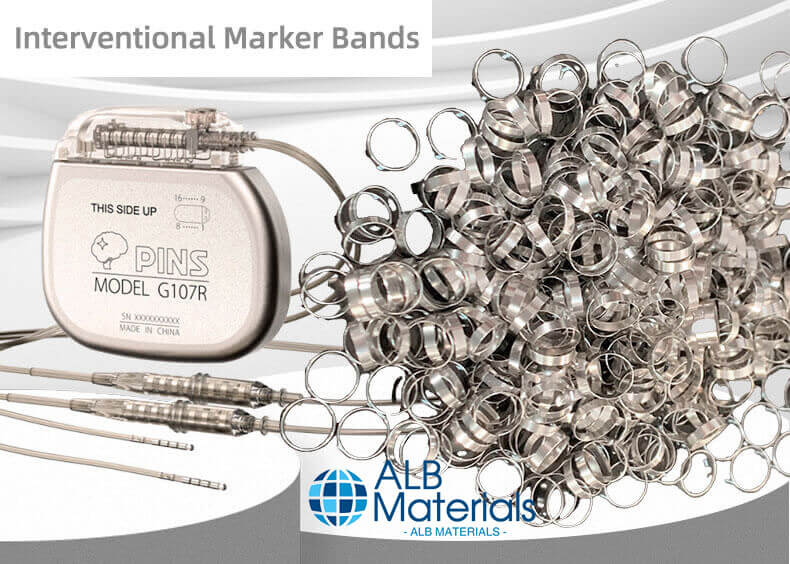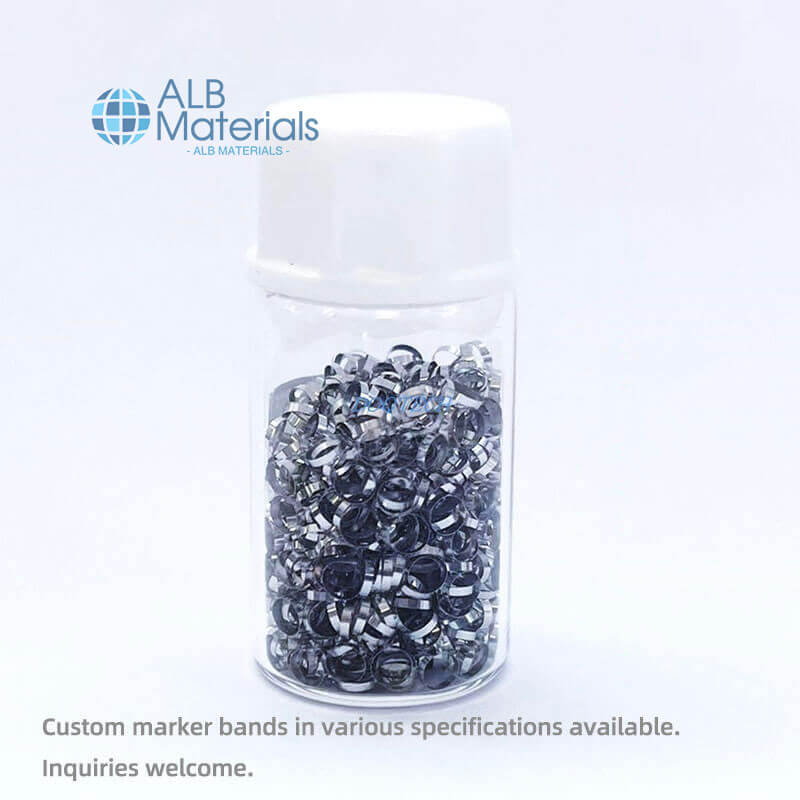

Here are the application examples of marker bands (also known as radiopaque markers) in different medical fields.
Application Examples of Medical Marker Bands
| Field of Application | Key Function | Typical Medical Devices |
|---|---|---|
| Cardiovascular Interventions | To guide catheters, balloons, and stents precisely to blocked or narrowed sections of heart arteries. | Coronary stents, balloon angioplasty catheters, thrombus aspiration catheters, radiofrequency ablation catheters. |
| Neurovascular Interventions | To provide real-time visibility and navigation for devices navigating the delicate, tortuous blood vessels of the brain. | Neurovascular catheters, thrombectomy devices, flow diverter stents for treating aneurysms. |
| Oncology Interventions | To mark tumor boundaries and guide localized treatments like chemotherapy or radioactive seed implantation directly to the cancer site. | Chemoembolization catheters, radioactive seed implantation catheters. |
| Non-Vascular Luminal Procedures | To assist in the accurate placement and expansion of stents within body passages like the digestive or biliary tracts. | Biliary stents, esophageal stents. |

Understanding the marker band
The core principle is creating contrast under X-rays. Marker bands are typically made from metals with high density, such as platinum-iridium (Pt-Ir) alloy, tantalum, or gold. These materials absorb a significant amount of X-rays, whereas lower-density human tissues allow most X-rays to pass through. This difference results in a clear, dark shadow of the marker band on the live X-ray image (fluoroscopy), allowing physicians to see the exact position and orientation of the medical device inside the body.
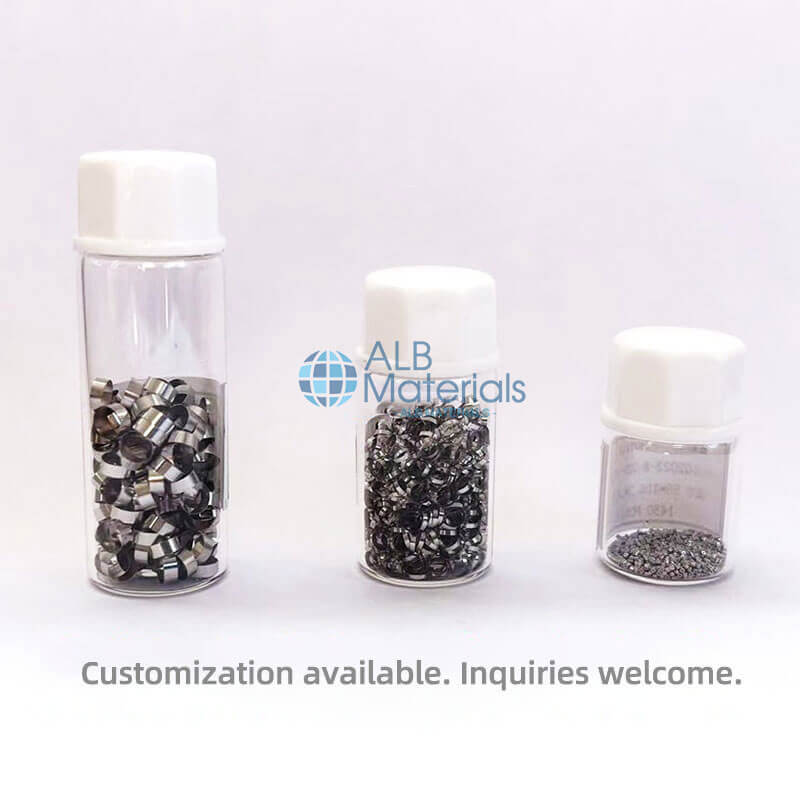
Technical Trends: New Materials
While traditional metal bands are highly effective, research focuses on innovative materials like shrinkable polymer composites. These new marker bands might use a blend of a polymer like TPU and heavy metal particles such as tungsten powder. This approach aims to maintain good visibility under X-rays while potentially offering benefits like reduced risk of metal allergies, lower cost, and improved flexibility of the catheter.
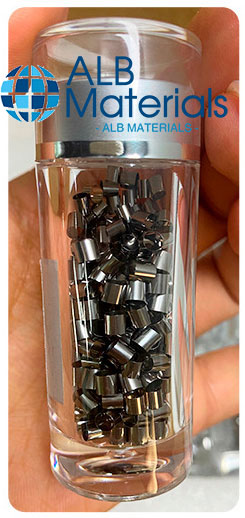
💎 Summary
Though small, the radiopaque marker plays a crucial role in ensuring the safe and precise execution of modern minimally invasive interventional procedures. Its applications continue to expand across various fields—from cardiovascular and neurovascular interventions to tumor treatments and various endoscopic diseases. Looking ahead, advancements in materials science (such as polymer composites) and precision manufacturing technologies (like micrometer-level fabrication) will drive the development of smaller, safer, and smarter radiopaque markers, supporting the treatment of increasingly complex conditions.
We hope this information provides you with a comprehensive understanding of the applications of contrast rings. Should you have particular interest in a specific field or technical detail, we are happy to explore it further.