
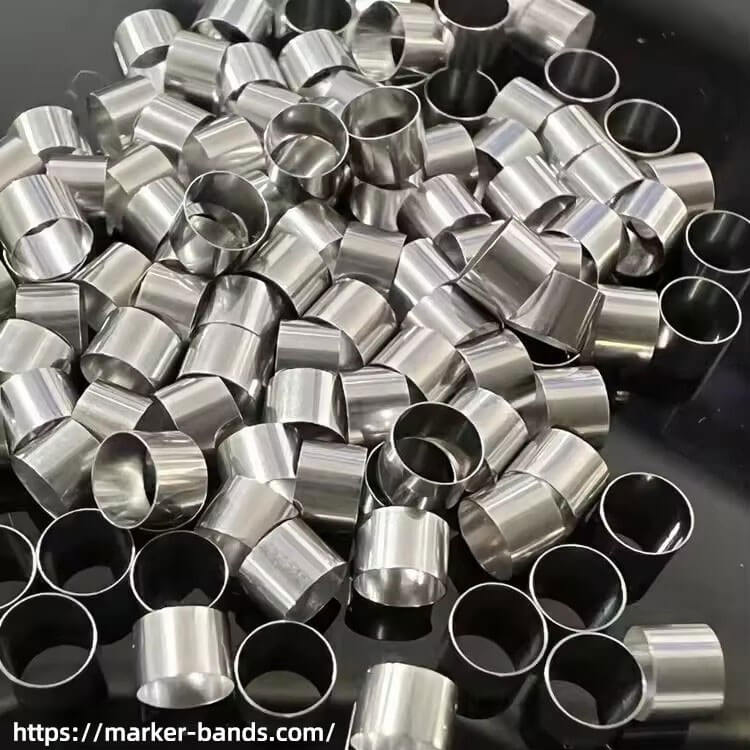

Material Selection for Marker Bands
The choice of material for Marker Bands is crucial for their performance. Different materials offer various benefits, and the selection depends on the specific application requirements.
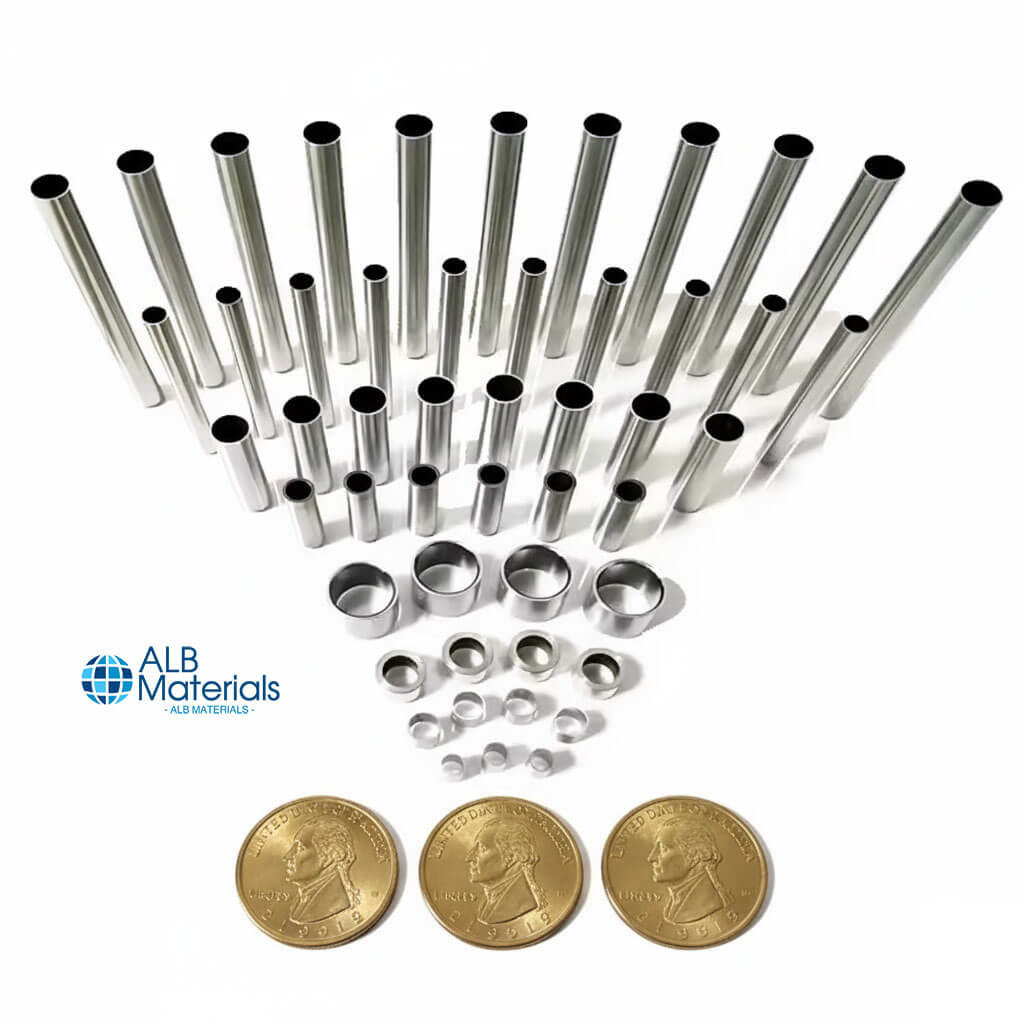
Common Materials
Marker Bands are commonly made from materials such as Stainless Steel, Tungsten, Platinum-Iridium, Gold, and Tantalum. Each of these materials has unique properties that make them suitable for specific applications.
Stainless Steel
Stainless Steel is a popular choice for Marker Bands due to its durability and resistance to corrosion. It provides good radiopacity and is known for its mechanical strength, making it suitable for a wide range of medical devices. While it may not be as radiopaque as some other materials, its cost-effectiveness and strength make it a practical choice for many applications.
Tungsten
Tungsten offers high density and excellent radiopacity, making it ideal for applications where precise imaging is required. It is highly visible under X-ray and other imaging technologies, ensuring accurate placement of medical devices. However, tungsten can be brittle and difficult to machine, which may limit its use in some applications.
Platinum-Iridium
Platinum-Iridium is widely used in medical applications due to its superior radiopacity and biocompatibility. This alloy provides clear visibility under imaging equipment and is highly resistant to wear and corrosion. It is particularly suitable for long-term implants and high-precision medical devices, such as catheters and stents. The addition of iridium to platinum enhances the material’s strength and durability, making it ideal for demanding procedures.
Gold
Gold is valued for its excellent radiopacity and bio-inert properties, making it safe for use in the human body. It provides high visibility under imaging, which is crucial for precise placement of medical devices. However, gold is relatively soft, so it may not be ideal for devices that require high mechanical strength. Despite its high cost, gold is a preferred material for certain medical applications due to its reliability and biocompatibility.
Tantalum
Tantalum is highly biocompatible and resistant to corrosion, making it suitable for use in medical devices that will be in contact with body fluids for extended periods. It offers strong radiopaque properties, ensuring visibility during X-ray and fluoroscopic imaging. Tantalum is known for its ability to withstand harsh environments, making it a popular choice for long-term implants. While it is more expensive than stainless steel, its superior properties justify the higher cost for specific applications.
Material Selection Criteria
Selecting the right material for Marker Bands involves considering several factors, including radiopacity, mechanical properties, biocompatibility, and cost. Below are some key considerations:
Radiopacity
Radiopacity is crucial for Marker Bands, as it ensures clear visibility under imaging equipment. Materials such as platinum, iridium, and tungsten are highly radiopaque, providing the best visibility. Gold and tantalum also offer high radiopacity, though they may not be as visible as platinum or iridium in all applications.
Mechanical Properties
Mechanical properties such as strength and resistance to wear are important for the durability of Marker Bands. Tungsten and platinum are known for their excellent durability, while iridium provides additional hardness to the marker band. Stainless steel offers good mechanical strength but may be less radiopaque than other materials.
Biocompatibility
Biocompatibility is essential for Marker Bands used in medical devices, as it ensures that the material is safe for use in the human body. Platinum, iridium, and tantalum are highly biocompatible, reducing the risk of adverse reactions. Gold is also biocompatible but may be less suitable for high-stress applications due to its softness.
Cost Considerations
The cost of materials is a significant factor in the selection process. Platinum-iridium alloys and gold are more expensive than materials like tungsten or stainless steel. However, their superior properties may justify the higher cost for specific medical applications.
Conclusion
The choice of material for Marker Bands depends on a variety of factors, including radiopacity, mechanical properties, biocompatibility, and cost. Materials such as stainless steel, tungsten, platinum-iridium, gold, and tantalum each offer unique benefits that make them suitable for specific applications. By carefully considering these factors, manufacturers can select the right material to ensure optimal performance and reliability of Marker Bands in medical and industrial applications.