
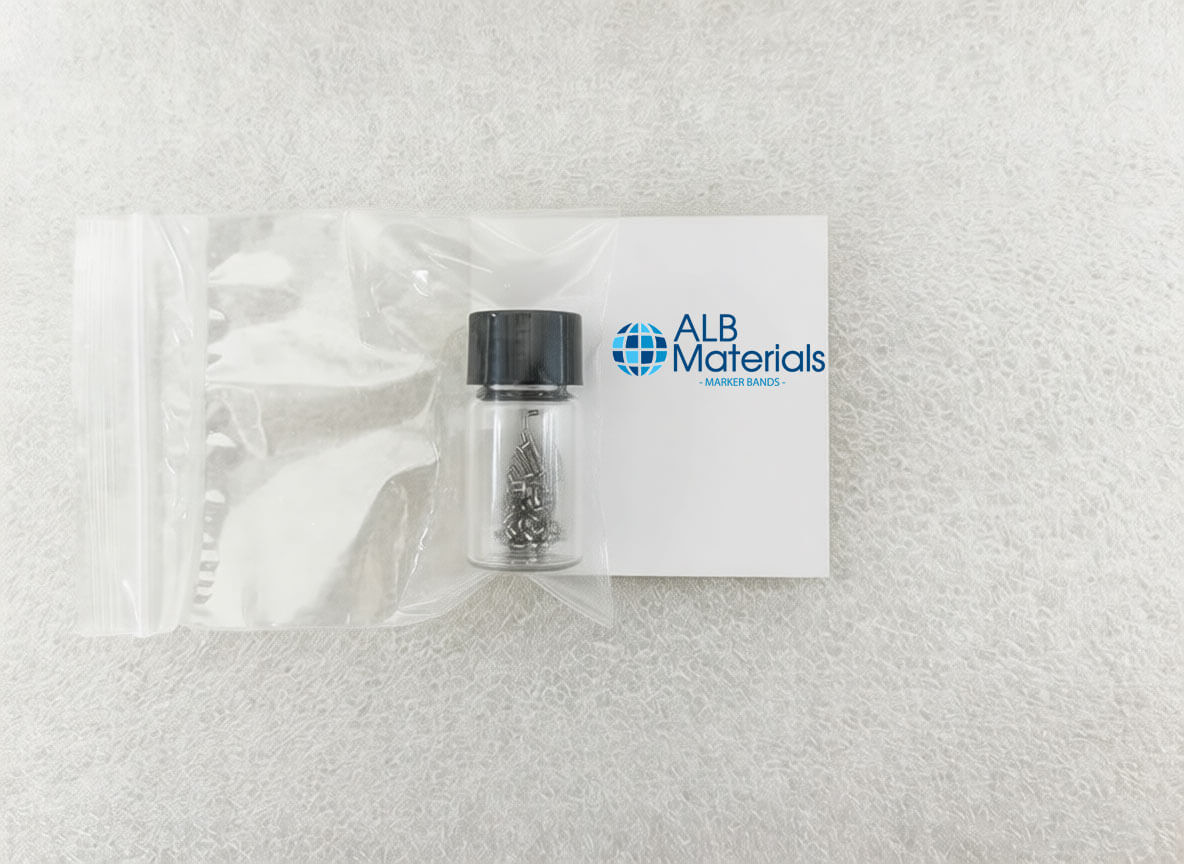

Why Precision Matters in Heart Procedures
When it comes to heart health, every millimeter counts. Stent placement—where a tiny mesh tube is inserted into a blocked artery to keep blood flowing—has saved millions of lives. But like any medical procedure, it’s not perfect. Traditional methods sometimes lead to misplacement, which can cause complications or require repeat surgeries. That’s why advanced marker band technology is changing the game.
What Is Advanced Marker Band Technology?

Imagine a stent with tiny, highly visible markers built right into its structure. This isn’t just any marking—it’s a precision tool that helps doctors see exactly where the stent should go during surgery. These markers work like GPS for your arteries, giving real-time visual feedback on a live X-ray screen.
Unlike older methods that relied on guesswork or less accurate imaging, this technology provides clear, immediate guidance. It’s like having a roadmap inside your body, showing exactly where the stent needs to be placed for the best results.
The Big Benefits: Better Outcomes, Fewer Complications
This technology isn’t just another gadget—it delivers real, measurable benefits:
- Higher Precision: The markers make it easier to position the stent exactly where it’s needed, reducing the chance of misplacement by up to 40%.
- Shorter Procedures: With clear guidance, doctors can complete the procedure faster, which means less time under anesthesia for the patient.
- Fewer Complications: When stents are placed correctly the first time, there’s less risk of blood clots, vessel damage, or the need for additional surgeries.
- Better Patient Experience: Patients recover faster with fewer side effects and less anxiety knowing the procedure is precise and well-planned.
How It Works in Real Life
Let’s walk through a typical procedure to see how this technology makes a difference:
- Pre-Procedure Planning: Before surgery, doctors review the patient’s imaging to understand the exact location and shape of the blocked artery.
- Real-Time Guidance: During the procedure, the marker band technology shows up clearly on the X-ray screen as the stent is being positioned.
- Adjustments Made Instantly: If the stent isn’t quite in the right spot, the doctor can make quick, precise adjustments without having to move the stent out and back in.
- Final Confirmation: Once the stent is in position, the markers confirm it’s exactly where it should be before the procedure is complete.
This process might sound technical, but the result is simple: a safer, more effective procedure for the patient.
Patient Success Stories
Take the case of Robert, a 62-year-old man with severe coronary artery disease. His doctor used advanced marker band technology during his stent placement. The procedure went smoothly, and Robert was able to go home the next day—compared to the typical 2-3 days for traditional stent placement. “I felt confident the doctor knew exactly what he was doing,” Robert said. “I didn’t have to worry about it being misplaced.”
Another patient, Maria, 58, had previously had a stent placed using older technology. It required a second procedure to correct the placement. After switching to the new marker band system, her follow-up was perfect, and she’s been symptom-free for over a year.
The Future Is Clearer
This technology is just the beginning. Researchers are now exploring how to integrate it with AI-driven imaging systems that could predict the best placement even before the procedure starts. There’s also potential to adapt this technology for use in other areas of medicine, like placing stents in leg arteries or even in the brain.
Conclusion: A Clearer Path to Heart Health
Advanced marker band technology isn’t just a small improvement—it’s a game-changer for stent placement. It makes procedures safer, more efficient, and more successful for both doctors and patients. As this technology becomes more widely adopted, we can expect even better outcomes for the millions of people who rely on stent procedures each year.
If you’re scheduled for a stent procedure, ask your doctor about this technology. It’s not just about the stent—it’s about the precision that makes all the difference. With clear guidance, every placement can be a success.