
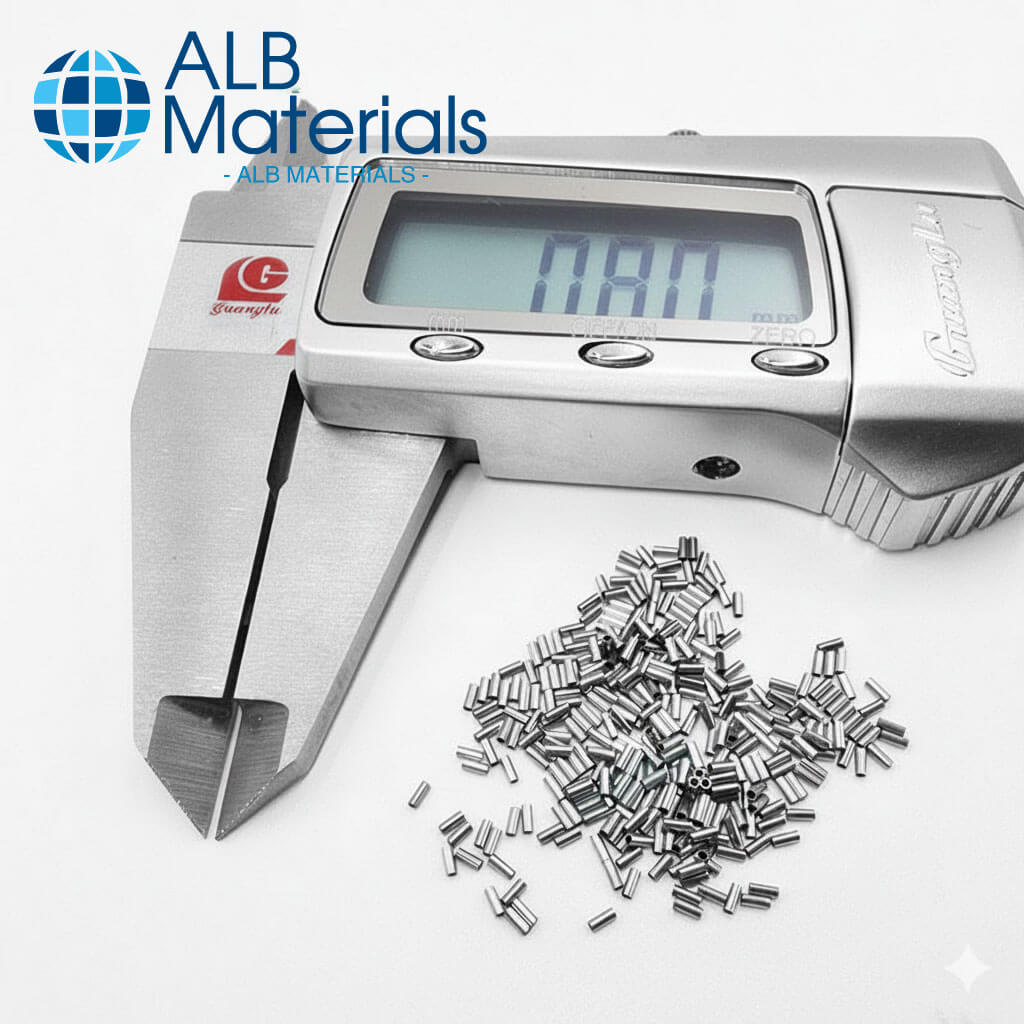

Tolerances of Marker Bands: Precision and Accuracy
The tolerances of Marker Bands are critical for their performance. Tight tolerances ensure that the bands fit precisely and perform reliably in their intended applications. In industries such as medical device manufacturing and aerospace, where precision is paramount, Marker Bands must adhere to stringent dimensional tolerances to ensure accurate fit and function.
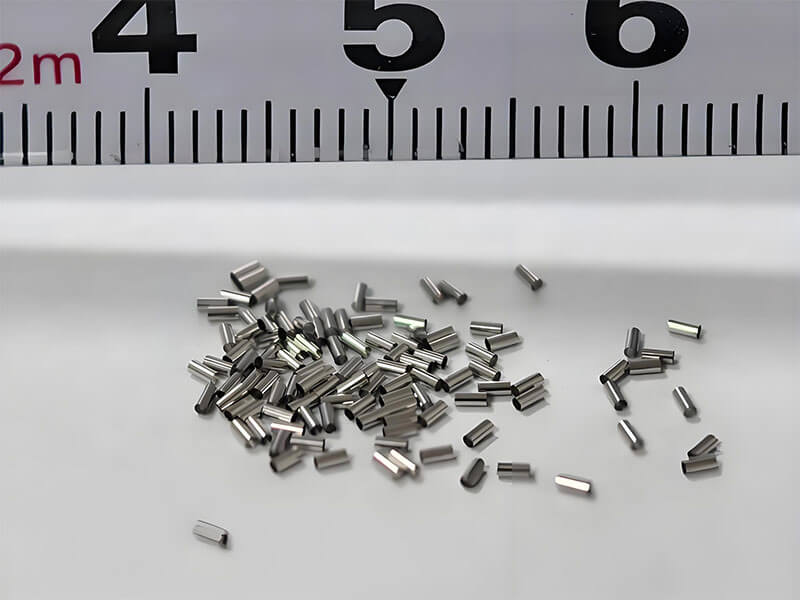
Dimensional Tolerances
Marker Bands are manufactured to very tight tolerances to ensure accurate fit and function. These tolerances are crucial for the bands to perform reliably in their intended applications. For example, in medical devices, Marker Bands are used to ensure the precise placement of implants and instruments. Any deviation from the specified dimensions could result in improper fit or function, potentially leading to complications.
High precision is achieved through advanced manufacturing techniques and quality control processes. Marker Bands are typically manufactured using precision machining and micromachining technologies, which allow for extremely small and precise custom features. These technologies ensure that the bands meet the exact specifications required for their applications.
Custom Tolerances
While standard dimensional tolerances are often sufficient for many applications, there are instances where custom tolerances are required. Marker Bands can be adjusted based on specific customer requirements to meet unique application needs. This customization ensures that the bands fit precisely into the intended devices or systems, providing optimal performance and reliability.
Custom tolerances are particularly important in medical applications where the size and shape of the Marker Bands can affect the outcome of surgical procedures. For example, in cardiovascular interventions, Marker Bands are used to guide catheters and stents to their intended locations. Custom tolerances ensure that these bands fit precisely on the devices, providing clear visibility under imaging equipment and reducing the risk of complications.

Quality Control and Inspection
Quality control and inspection are essential to ensure that Marker Bands meet the specified tolerances. Each band undergoes rigorous testing and inspection to verify its dimensions and performance. This includes visual inspection, dimensional measurement using precision instruments, and radiographic testing to ensure high visibility under imaging.
Dimensional measurement is a critical part of the inspection process. Precision instruments such as calipers and micrometers are used to measure the outer diameter, inner diameter, and length of the bands. These measurements are compared to the specified tolerances to ensure that the bands meet the required standards. Any deviations are identified and corrected to ensure that the bands perform reliably in their intended applications.
Material Considerations
The material used in the manufacture of Marker Bands also plays a role in achieving tight tolerances. High-quality materials such as platinum, gold, tantalum, and other radiopaque alloys are commonly used due to their high radiopacity, durability, and biocompatibility. These materials are chosen for their ability to be precisely machined and for their resistance to wear and corrosion.
Material composition testing is an essential part of the manufacturing process. This testing ensures that the materials used in the Marker Bands are free from impurities and inconsistencies that could affect their performance. By using high-quality materials and adhering to stringent manufacturing processes, Marker Bands can achieve the tight tolerances required for their applications.
Conclusion
The tolerances of Marker Bands are critical for their performance in medical and industrial applications. Tight tolerances ensure that the bands fit precisely and perform reliably, reducing the risk of complications and enhancing the accuracy of procedures. Through advanced manufacturing techniques, custom tolerances, rigorous quality control, and the use of high-quality materials, Marker Bands can achieve the precision and reliability required for their intended applications. By adhering to stringent standards, manufacturers can ensure that Marker Bands meet the highest levels of quality and performance.
| Aspect | Key Details |
|---|---|
| Dimensional Tolerances | Extremely tight control on inner/outer diameter and length (± microns) |
| Custom Tolerances | Available for specialized applications (e.g., neurovascular or micro-catheters) |
| Quality Control | Inspected with calipers, micrometers, and imaging to verify specs |
| Material Impact | High-purity Pt, Au, Ta, etc., enable precise machining and stability |
| Why It Matters | Ensures accurate placement, visibility, and device function during procedures |
This table highlights how precision tolerancing directly impacts performance and safety in clinical use.